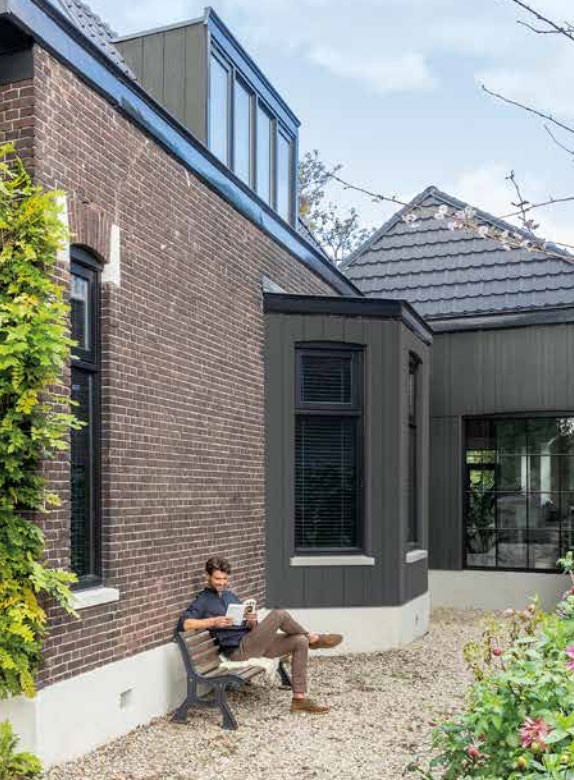
Cedral, a specialist manufacturer of fibre cement products for roofing and cladding surveyed 250 industry professionals for the report entitled Building the Future which examines the construction industry’s attitudes towards emerging design trends, sustainability and meeting the UK’s chronic housing needs.
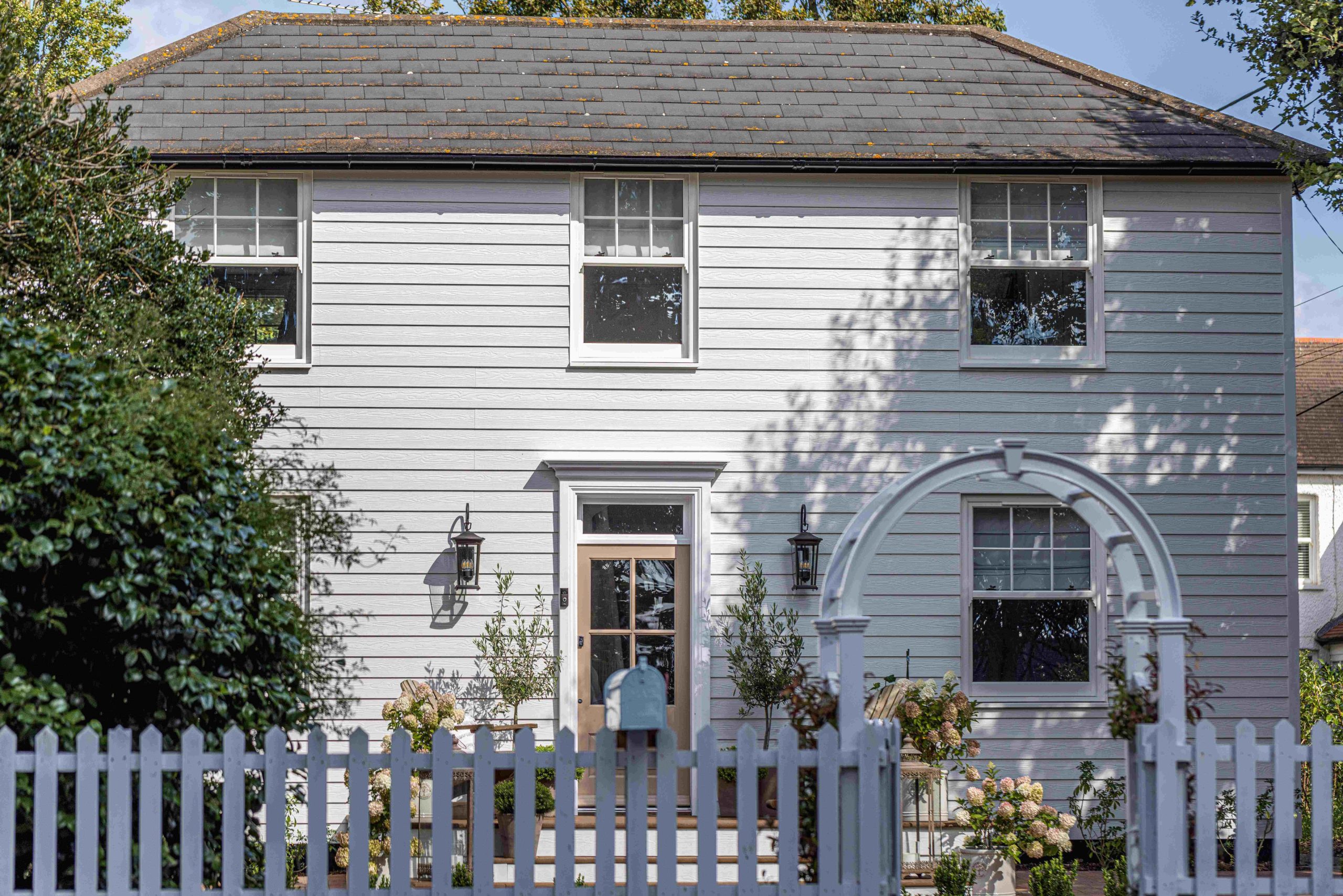
Discussions around sustainability, futureproofing and a fabric first approach have become increasingly prominent. The vast majority of the industry respondents (96%) said that climate change was changing facade design and specification choices with 59% saying this affected material choice and 56% placing greater importance on insulation.
40% agreed that ‘living facades’ (made from plants and vegetation) was becoming a major trend. Smart facades (39%), minimalisation (32%) and industrial cladding (29%) were also cited as important developments that would become more popular over the next three years. Nearly a third (32%) of architects also predicted a return to natural materials such as brick, stone or other low-carbon materials such as fibre cement cladding.
Cedral also surveyed 1,000 homeowners for a report, Fit for Purpose, and found energy efficiency and durability taking precedence over aesthetics when considering home improvements and materials. Homeowners are increasingly focused on long-term sustainability and resilience. While 38.4% considered aesthetics when purchasing their home, a higher proportion (45.7%) now prioritise energy efficiency, and 47.6% value durability in building materials.
In the study 41.5% of homeowners expressed worry about extreme weather conditions affecting their properties. The majority of those taking part own older homes (66%), highlighting the challenge of retrofitting properties to meet modern energy efficiency standards.
Older homeowners are driving sustainability trends with 58.4% of respondents aged 55 and over, many of whom have owned their homes for over 20 years. This group is driving demand for cost-effective, low-maintenance solutions.
Lisa Grosse, brand manager at Cedral, says “With energy efficiency, durability, and affordability now at the forefront of homeowner concerns, industry professionals should be urged to develop solutions that balance cost, sustainability, and aesthetic appeal. We are seeing a seismic shift in homeowners becoming part of the material selection process and when making changes, renovating or taking on a self-build project they know materials matter. More homeowners are thinking about the eco-credentials of their homes and about reducing energy costs.”
Retrofitting and adaptive reuse are on the increase and 31% of architects also expect to see more cladding retrofit projects. 48% of architects surveyed said they expect sustainability measures they are introducing on current new builds to be out of date within 15 years.
While many architects, developers, contractors and manufacturers involved in residential construction have been proactive in making modifications to reduce carbon emissions, there is much more to do. Almost all (97%) survey respondents report that they are experiencing challenges when it comes to improving sustainability such as the cost of materials (65%) and the cost of construction (62%).
Visit https://www.cedral.world/en-gb/professionals/-/whitepapers/ to read the full Cedral reports entitled Building the Future and Fit for Purpose.