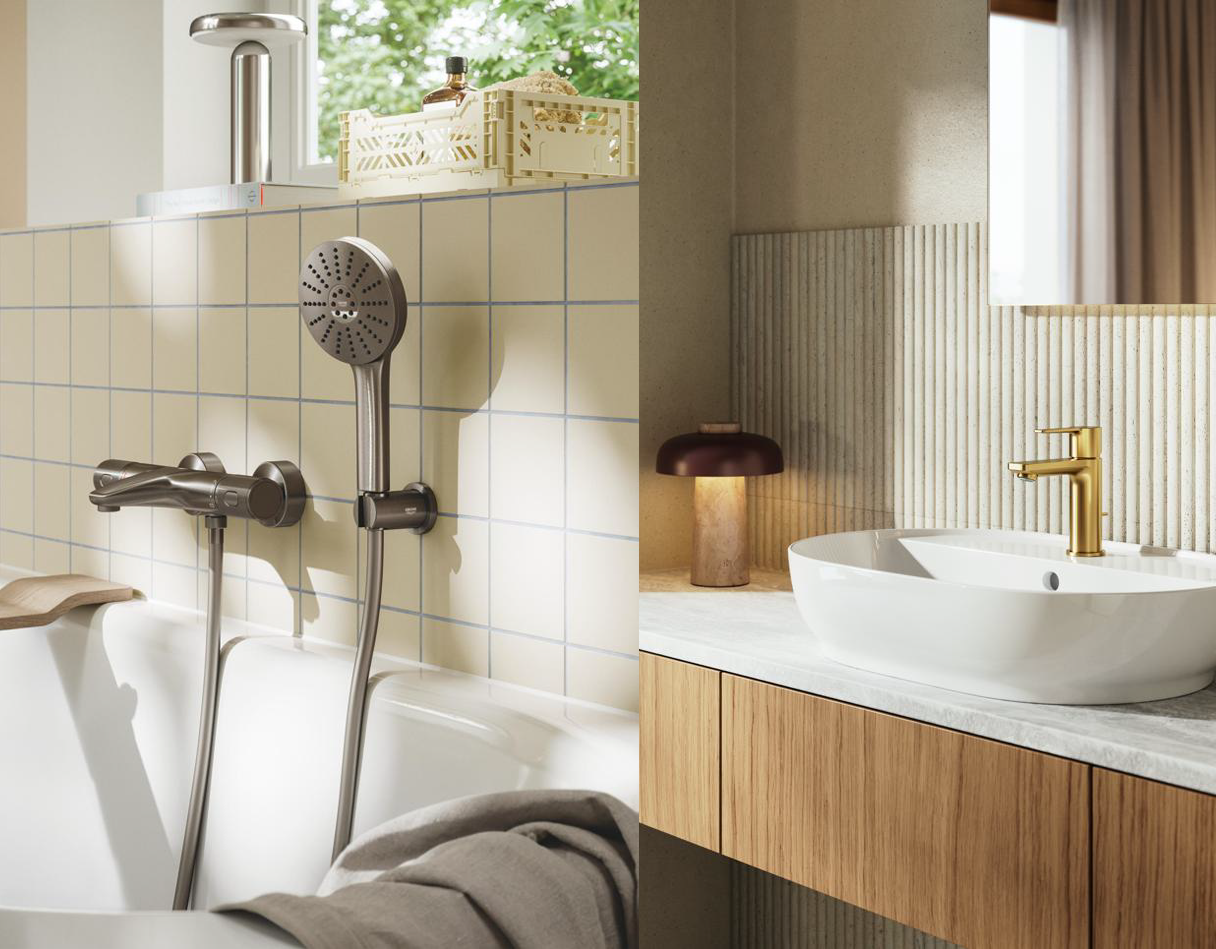
With water efficiency becoming an increasingly important consideration across the built environment, industry decision makers have an important role to play in helping customers make more sustainable choices. As pressure on water usage continues, selecting efficient fittings can help reduce water and energy consumption across the lifetime of a project, without compromising on performance or comfort.
At a time where global water usage outpaces population growth, the imperative for water conservation has never been more pressing. Architects, developers, and professionals shaping the buildings of tomorrow play a pivotal role in promoting efficient water usage for current and future communities, as does the industry collectively. While there is no single solution to these challenges, technology emerges as a beacon of hope, offering sustainable hygiene and sanitation solutions to address water scarcity in both residential and commercial settings alike.
Here, Nancy Zhou, Category Manager of Bathroom Fittings & Showers UK at GROHE UK, LIXIL Europe, shares three ways to encourage water efficient as an integral design consideration.
1. Choose water-efficient technology
Specifying water-efficient fittings throughout a project is one of the most effective ways to support water efficiency within a building.
Bathrooms are our most high-resource consuming rooms, so implementing efficiency here is an ideal starting point when looking to reduce usage, and with modern day technology, there’s plenty of innovations available. With increasingly advanced technology being developed, many of these economical options are still able to deliver an excellent experience.
For example, the refreshed GROHE Euphoria 120 incorporates new AquaBooster technology, which intelligently concentrates the water flow to deliver a more powerful spray, even at a lower flow rate.
2. Choose quality products built to last
Opting for quality products designed for longevity is another way industry professionals can help customers make more sustainable choices. Recommending products that are built to withstand everyday use, while also offering replacement parts when components need attention, can help extend their lifespan and reduce the need for complete replacements, which returns prevents excess waste.
GROHE offers an industry leading five-year guarantee, including parts and labour, helping customers feel confident that products are built to last and are supported throughout their lifespan. By considering durability and aftercare from the outset, architects, developers and installers can help create projects that deliver long-term value while supporting more responsible resource use.
3. Make efficiency part of the conversation from the start
The bathroom is no stranger to technological innovations and in recent years, such tech advancements have evolved, granting us greater opportunities. With solutions now in place to improve personalisation, accessibility and sustainability all while improving overall user experience, there’s little room not to utilise these options as the new standard.
Some individuals may be discouraged from investing in water-saving fittings due to the common misconception that the level of performance, as well as the experience, will be compromised. Water efficiency does not have to mean compromising on performance, and as an industry we must work together to change this mindset.
The success of such solutions hinges not only on technological advancements but also on changing user behaviour. In a world accustomed to overconsumption, fostering a mindset of conservation requires a concerted effort. Here, architects, developers and installers can help by opting for products designed with sustainability in mind as a first instance.
Discussing efficiency alongside aesthetics, functionality and budget can make it a more natural part of the design process, rather than an afterthought.