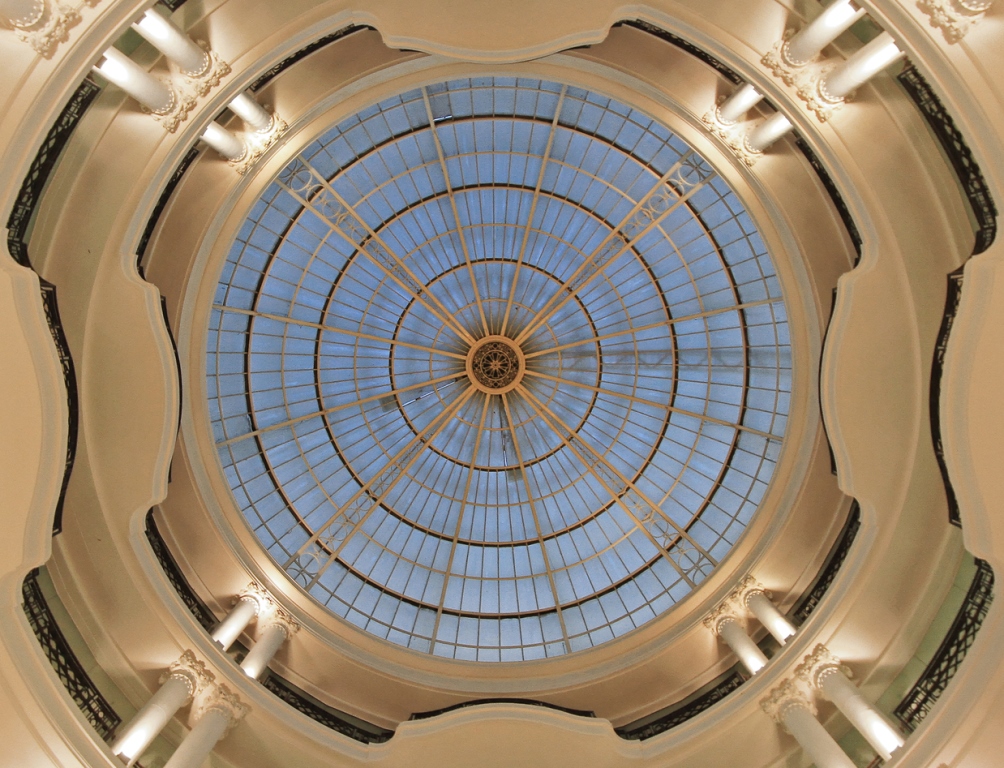
Upgrading roof glazing in a historic building presents a particular challenge: how do you achieve modern standards of performance without compromising the character that makes the building worth preserving in the first place?
It is a challenge Lonsdale Metal has been helping architects, contractors and conservation professionals solve for decades.
The company’s bespoke patent glazing, rooflight and roof lantern systems can be found on some of Britain’s most recognisable buildings, including Buckingham Palace, 10 Downing Street, the British Museum and V&A Museum, as well as major heritage railway projects at St Pancras and King’s Cross Stations.
Yet prestigious names tell only part of the story. The same experience and technical knowledge can be applied to heritage and refurbishment projects of every scale.
Old Buildings, Modern Expectations
Historic roof glazing was designed for a very different age. Original systems may have been single glazed, poorly insulated and prone to air or water leakage. After many decades of service, corrosion, deteriorating seals and failing glass can present further problems.
Simply replacing them with a conspicuously modern rooflight is rarely an acceptable answer.
A successful refurbishment therefore requires a balance between preserving the architectural integrity and appearance of the original building and achieving the thermal performance, weather-tightness, safety and durability expected today.
Lonsdale’s approach is to develop the glazing solution around the building rather than expecting the building to accommodate a standard product.
Traditional patent glazing profiles can retain the characteristic fine sightlines associated with historic glazed roofs, while modern thermally improved systems and insulating glass units can substantially improve performance where the nature of the building requires it.
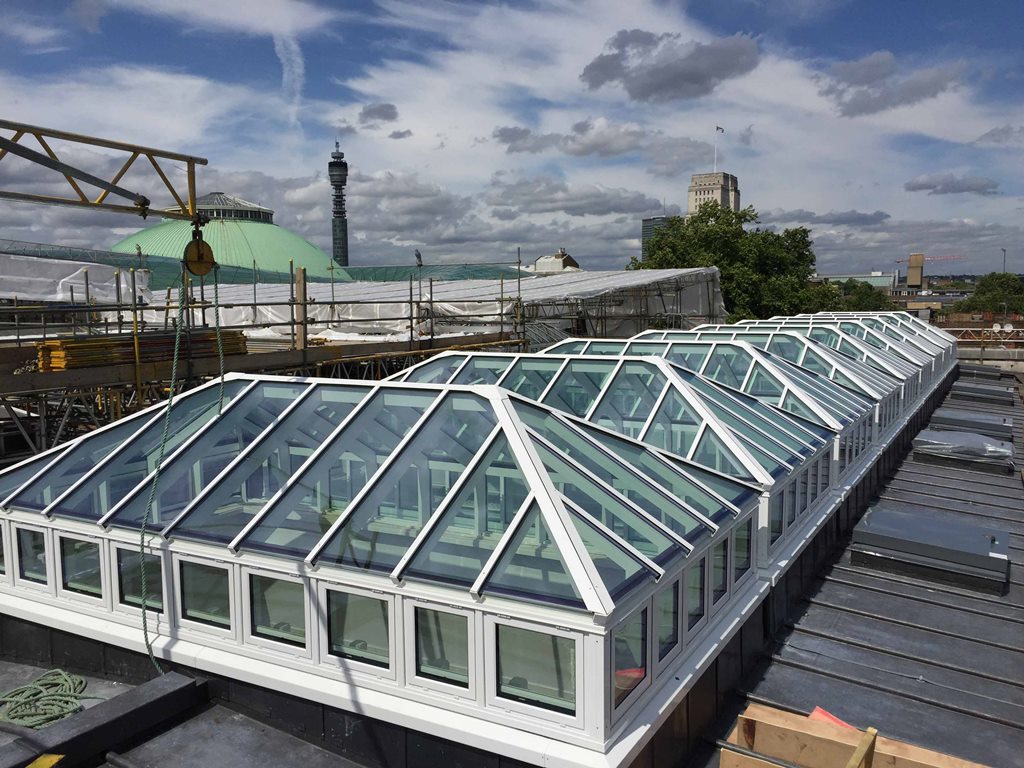
British Museum – Replacement roof lanterns at the British Museum, designed to respect the original architectural character while incorporating modern high-performance glazing.
Protecting More Than the Building
At the British Museum, for example, replacement roof lanterns needed to provide the benefits of a modern aluminium glazing system while reflecting the appearance of the original timber structures.
Performance requirements went much further than simply keeping out the weather. High-performance solar-control glazing was incorporated to help protect the priceless exhibits below from damaging solar radiation while improving the environmental performance of the roof.
At the V&A Museum’s Cast Courts, Lonsdale was involved in replacing a large six-tier barrel rooflight covering approximately 700m2. The previous rooflight had suffered leakage and glass breakage. The replacement combined bespoke roof glazing systems with high-performance toughened and laminated insulating glass units incorporating solar control, helping maintain the controlled internal environment required for the museum’s important collection.
Railway heritage creates a different set of challenges.
At King’s Cross Station, refurbishment of the great Victorian barrel-vaulted train-shed roofs required a glazing solution sympathetic to the historic structure while accommodating contemporary technology. Lonsdale developed a special low-profile glazing bar for areas incorporating photovoltaic panels, designed to minimise shading of the cells while satisfying the requirements of the heritage scheme.
Lonsdale systems have also been used at St Pancras, demonstrating how traditional patent glazing remains highly relevant to the conservation and refurbishment of Britain’s great Victorian railway architecture.
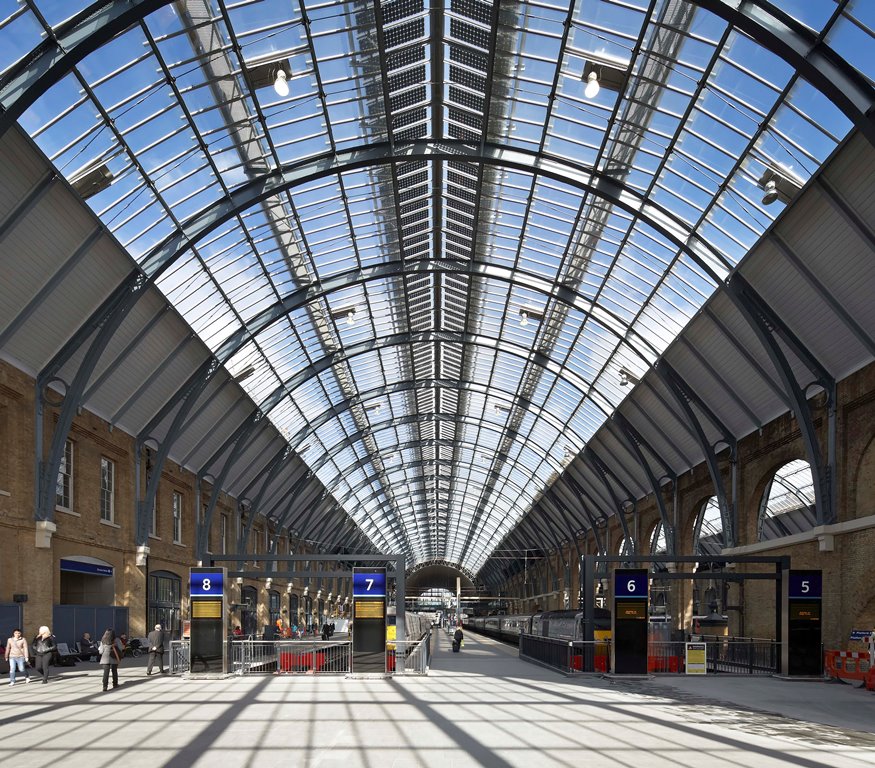
King’s Cross Station – Heritage roof glazing at King’s Cross Station, where Lonsdale developed a low-profile glazing solution for areas incorporating photovoltaic panels within the historic train-shed roofs.
Glass Engineered for the Building
The glass itself is increasingly important in heritage refurbishment.
Depending upon the project, Lonsdale can advise on glazing specifications incorporating solar control, enhanced thermal insulation, UV reduction, safety and acoustic performance.
This allows a rooflight or glazed roof to do considerably more than provide daylight and weather protection. Appropriate glazing can help reduce unwanted solar gain, improve comfort, protect sensitive interiors and exhibits, reduce external noise and contribute towards improved energy performance.
For listed and conservation buildings, however, performance can never be considered in isolation. Sightlines, glazing-bar dimensions, colour, existing supporting structures and the visual relationship between the new glazing and original fabric all need consideration.
That is where experience matters.
A Specialist Partner for Heritage Refurbishment
Every historic building presents different challenges, which is why early technical involvement can be particularly valuable.
Whether the requirement is the sensitive replacement of a small traditional rooflight, a bespoke roof lantern or the refurbishment of several thousand square metres of patent glazing, Lonsdale can work with architects, surveyors, conservation specialists and contractors to develop a solution appropriate to the building.
The objective remains the same: preserve what makes the building special while allowing its roof glazing to perform for the next generation.
If you are currently planning a heritage, conservation or refurbishment project involving patent glazing, rooflights or roof lanterns, Lonsdale’s technical team would be pleased to discuss the project at an early stage.
Visit www.lonsdalemetal.co.uk or call 020 8801 4221.